

Fifteen years, and counting
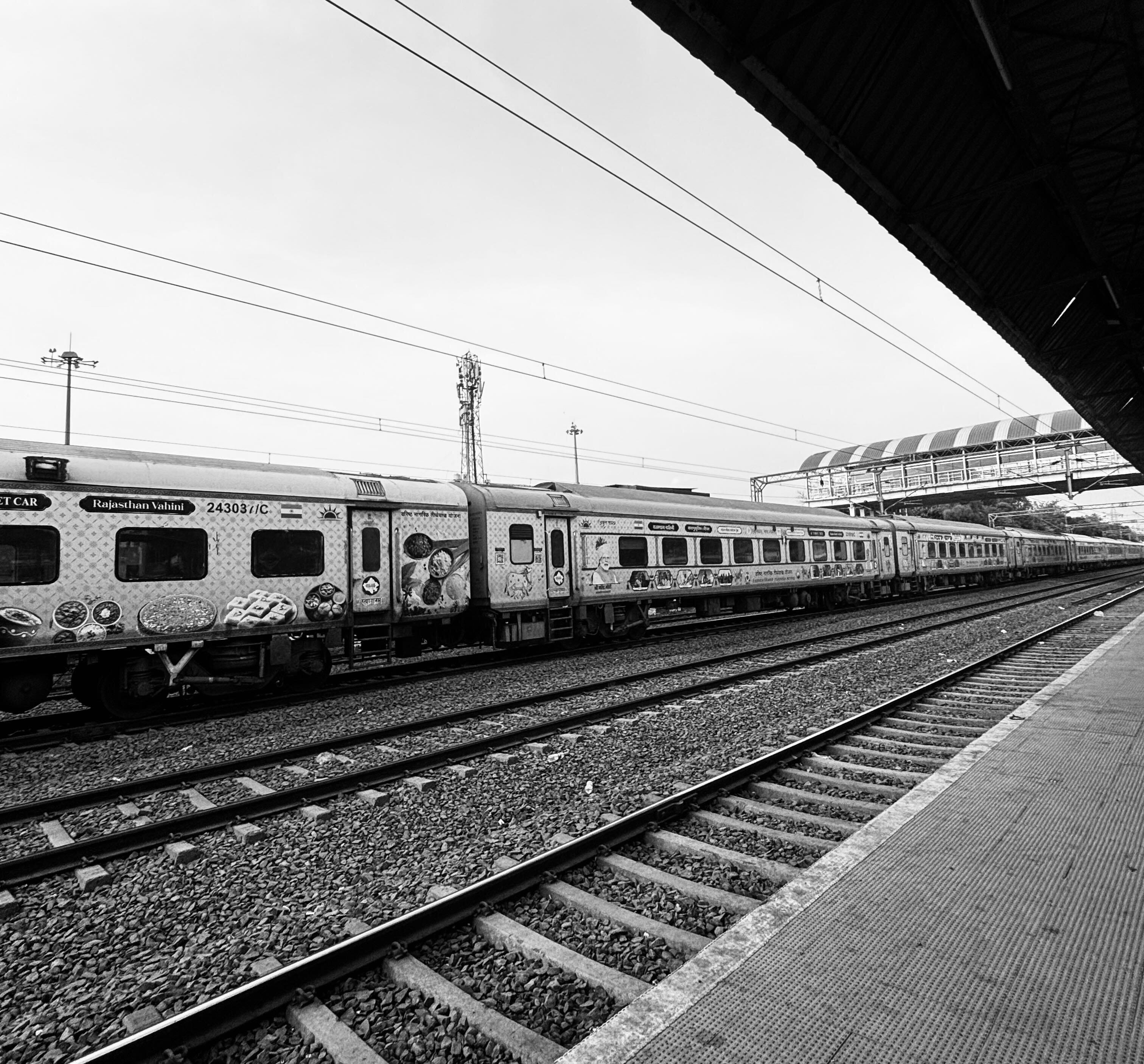
It's been fifteen years since I left my hometown for what we politely call a "home away from home." I moved to Gurgaon in 2011, chasing the same thing everyone else was chasing — a job, a salary, a city that promised more.
I left behind a lot. My childhood friends, the kind you don't replace after a certain age. A house where mornings didn't feel like a deadline. A slower way of being. I didn't know then that I was leaving those things permanently. You never do. You just pack a suitcase and tell yourself you'll be back often.
The town that didn't move
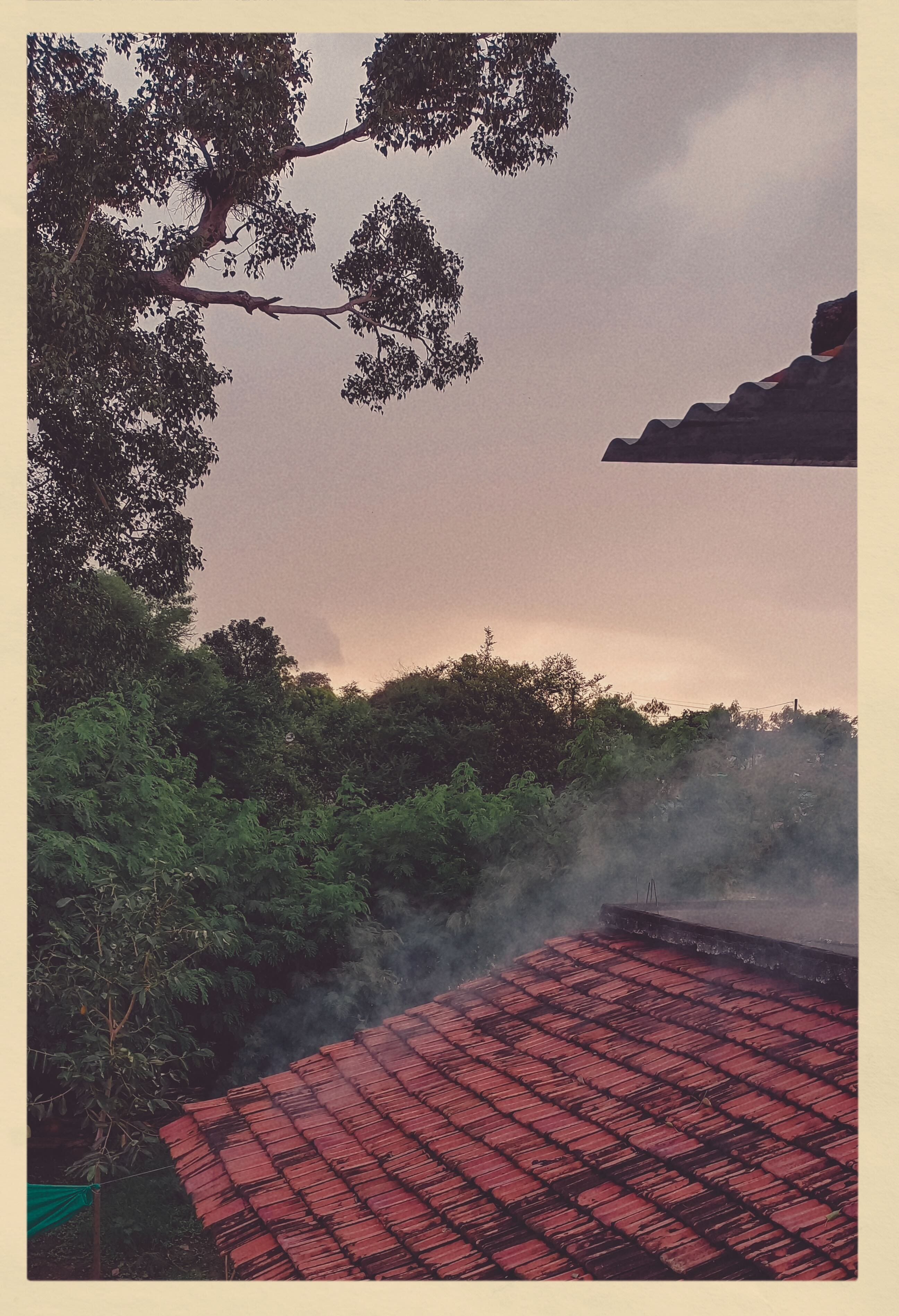
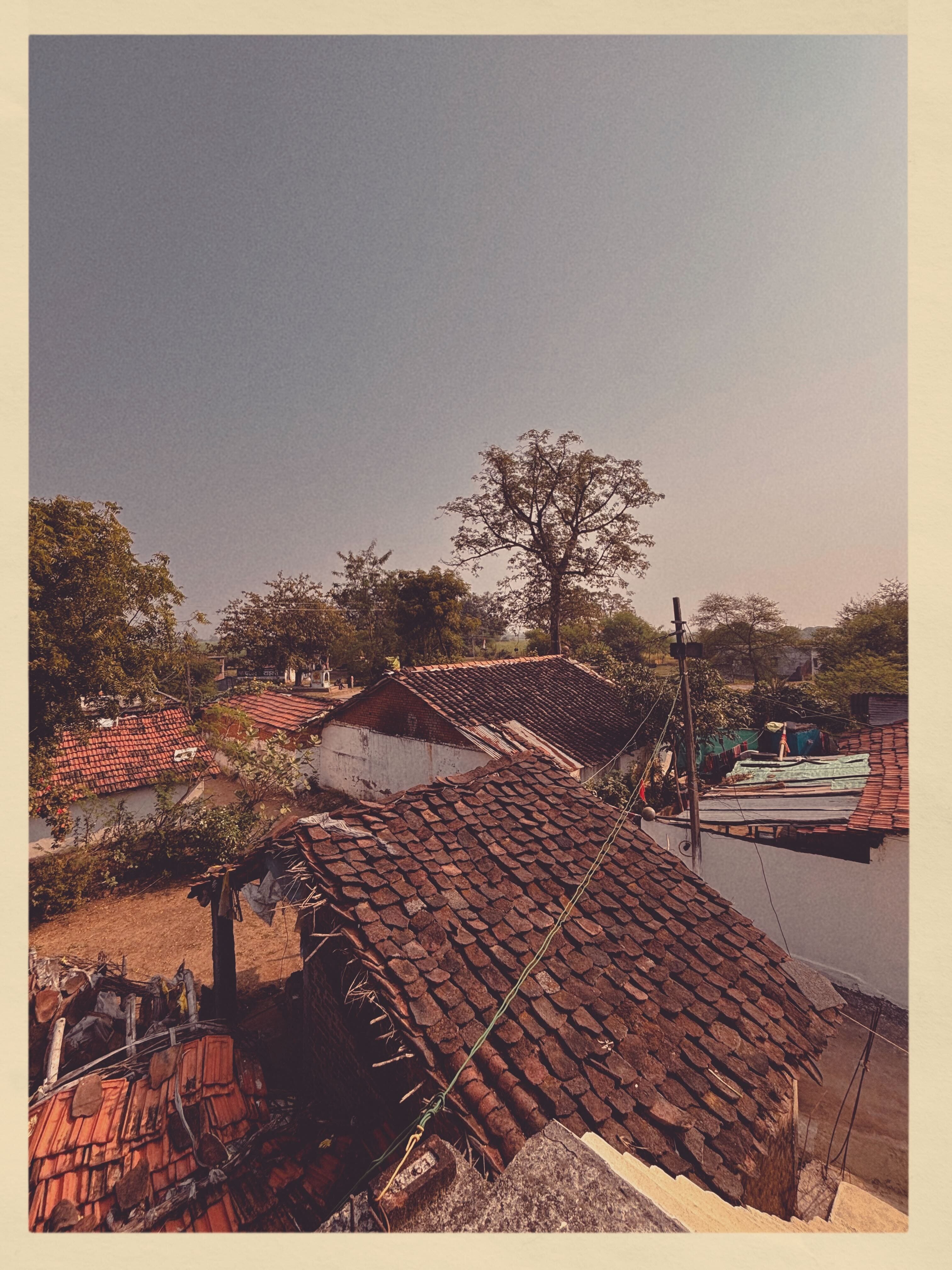
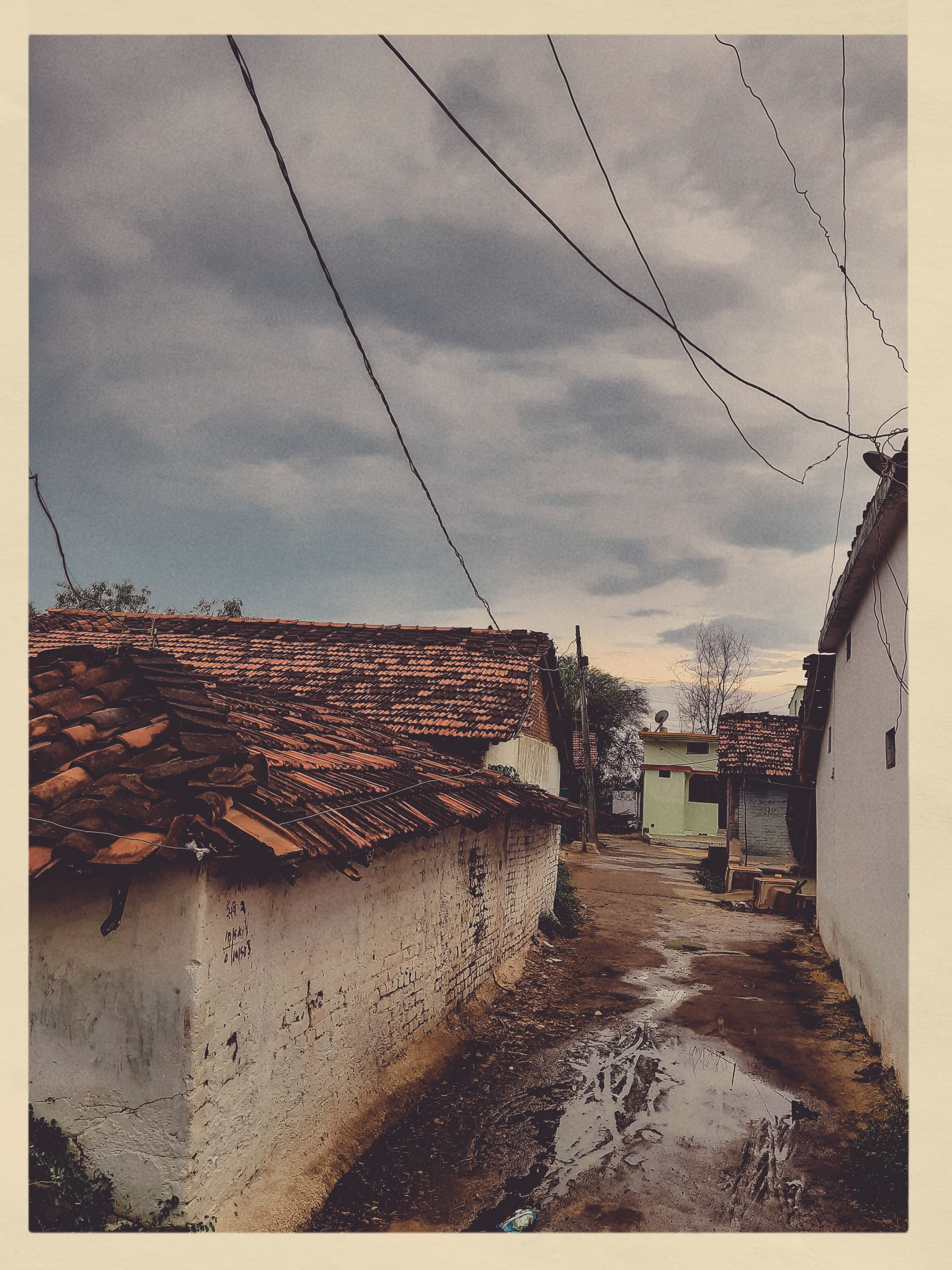
Fifteen years on, my hometown is almost exactly as I left it. The same lanes, the same shops, the same evening quiet that falls like a slow curtain. There's no glamour here, no glass buildings, none of the easy comforts the city has trained me to expect.
For a long time, that bothered me. Now, I think it's the point.
This visit, with my daughter
I came home this time with my three-year-old daughter for her summer vacation. I wanted her to see where I grew up — not the photographs, the actual thing.
We still don't have an AC. No power backup. The heat is the heat; the power cut is the power cut. I bring it up with my parents almost every visit, the same gentle argument: let me get you a unit installed, at least one room. They smile and refuse.
"We lived thirty years without a proper house, this life is already a blessing" my father says. "These things will only spoil our habits."
I used to read that as stubbornness. I'm starting to read it as something else.
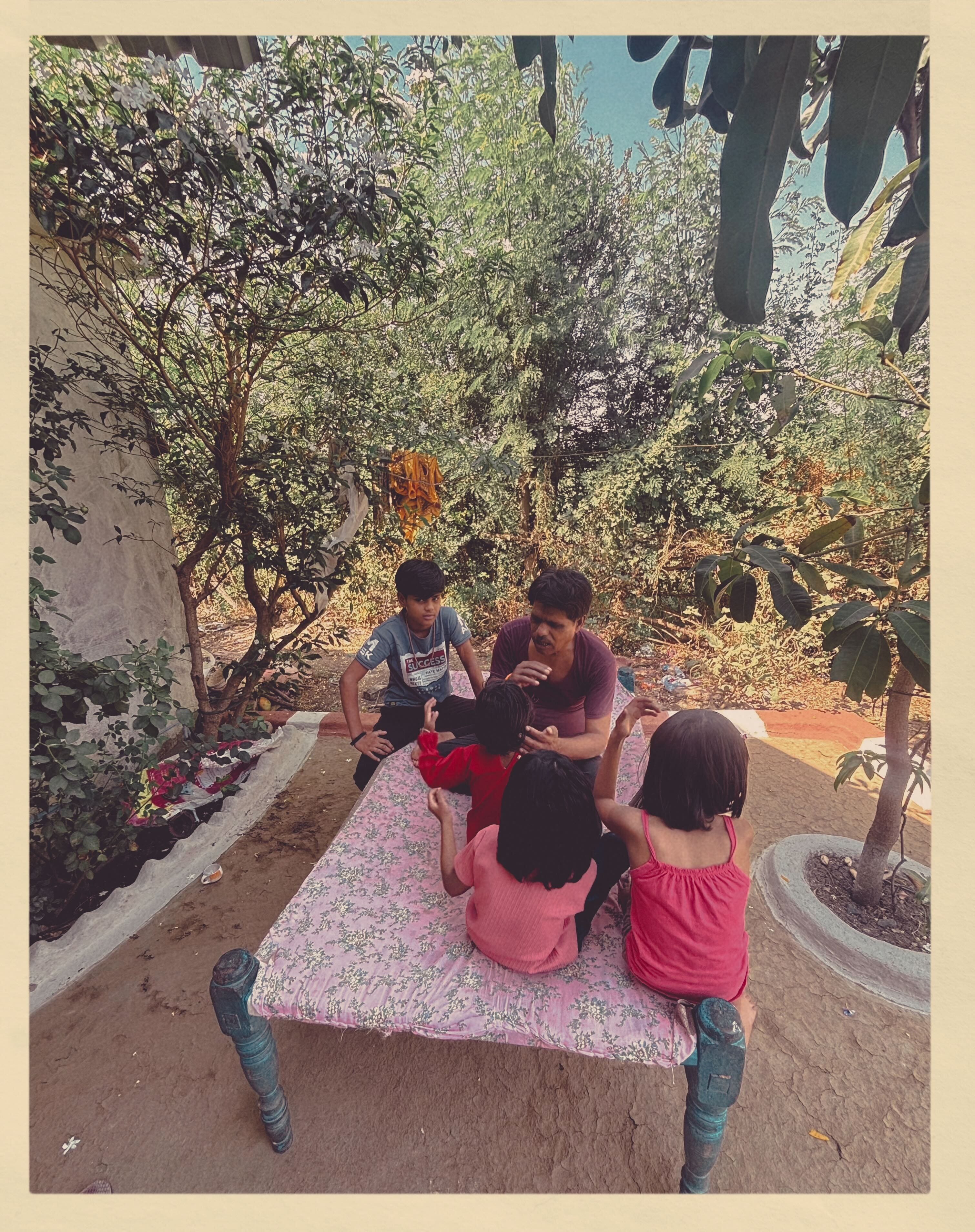
They wake up before the sun does. The day moves outside — under the mango trees, around the farm, on the small chores that string a morning together. When the heat peaks, they rest. When the sky cools, a charpai goes up on the terrace and that's where the night happens. Stars, a thin sheet, the wind doing the work an AC would.
It isn't deprivation. It's a rhythm. One they built carefully over decades, and one they've decided not to trade for convenience.
The bicycle, and the slow loop
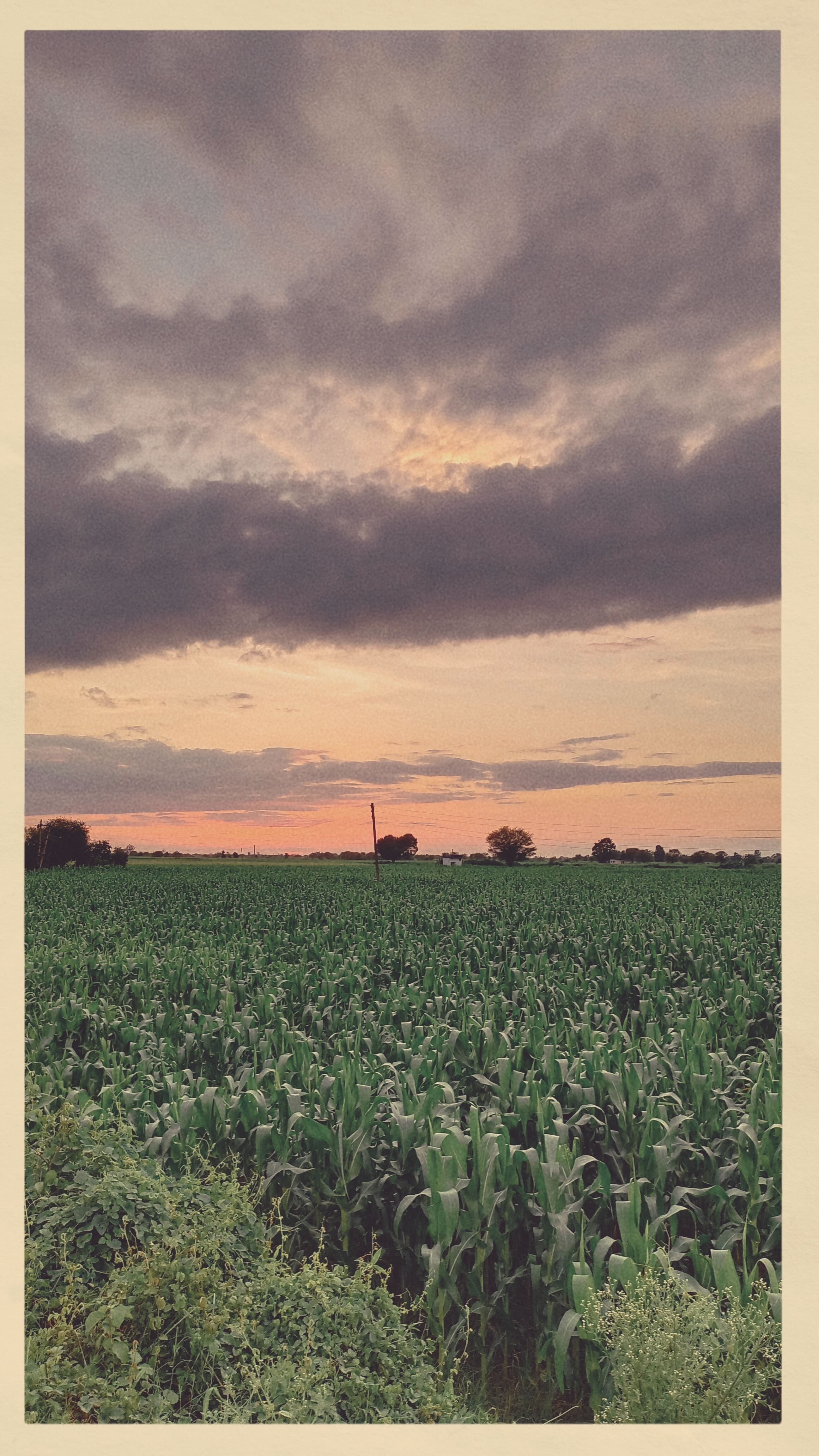
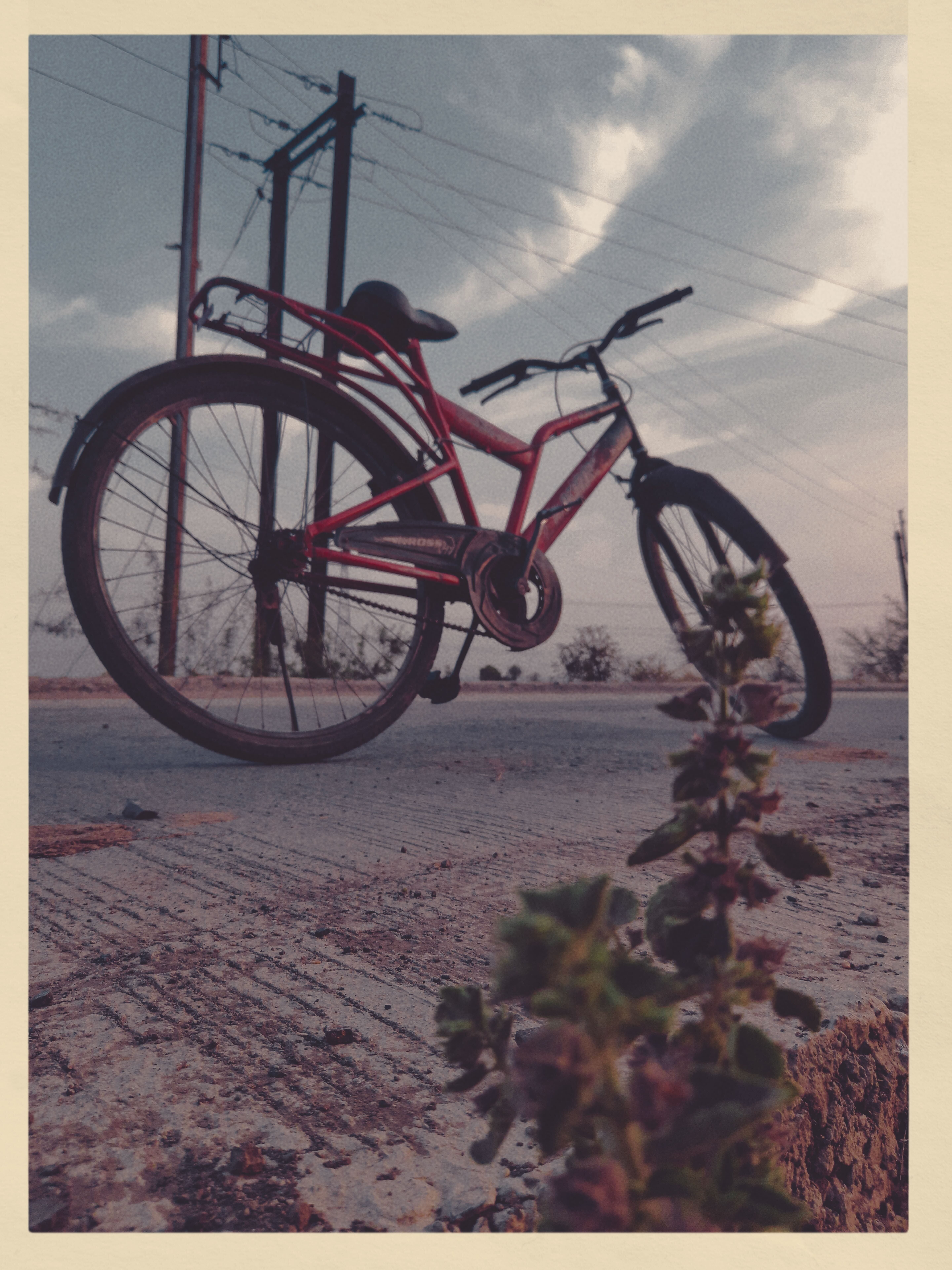
I keep an old bicycle here. Every visit, it becomes my car, my Uber, my entire transport system. The market is a bicycle ride. The farm is a bicycle ride. A friend's house, the post office, the milk shop — all bicycle rides.
In Gurgaon, I sit in traffic and check my phone. Here, I pedal past fields and forget I own one.
Some afternoons I cycle out to the farms and just stand there, staring at the water spray nozzles. The slow arc of water catching the light, the soft hiss, the smell of wet earth lifting. I can do this for twenty minutes. Half an hour. Nothing happens. Nothing is supposed to.
I don't think I've stared at anything for twenty minutes in the city. Not a single thing.
The places that remember me
I make the same small pilgrimage every visit, almost without planning it.
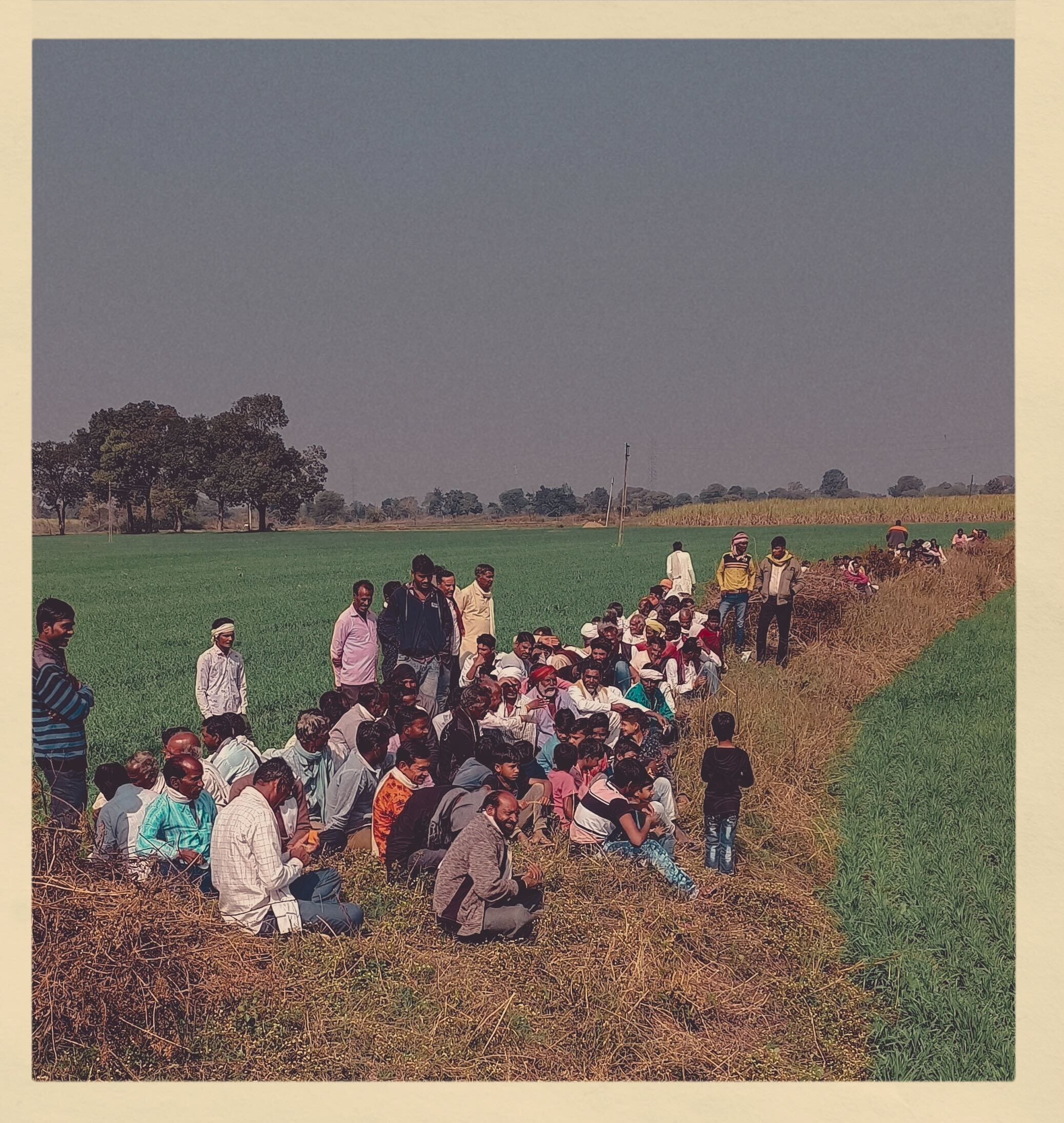
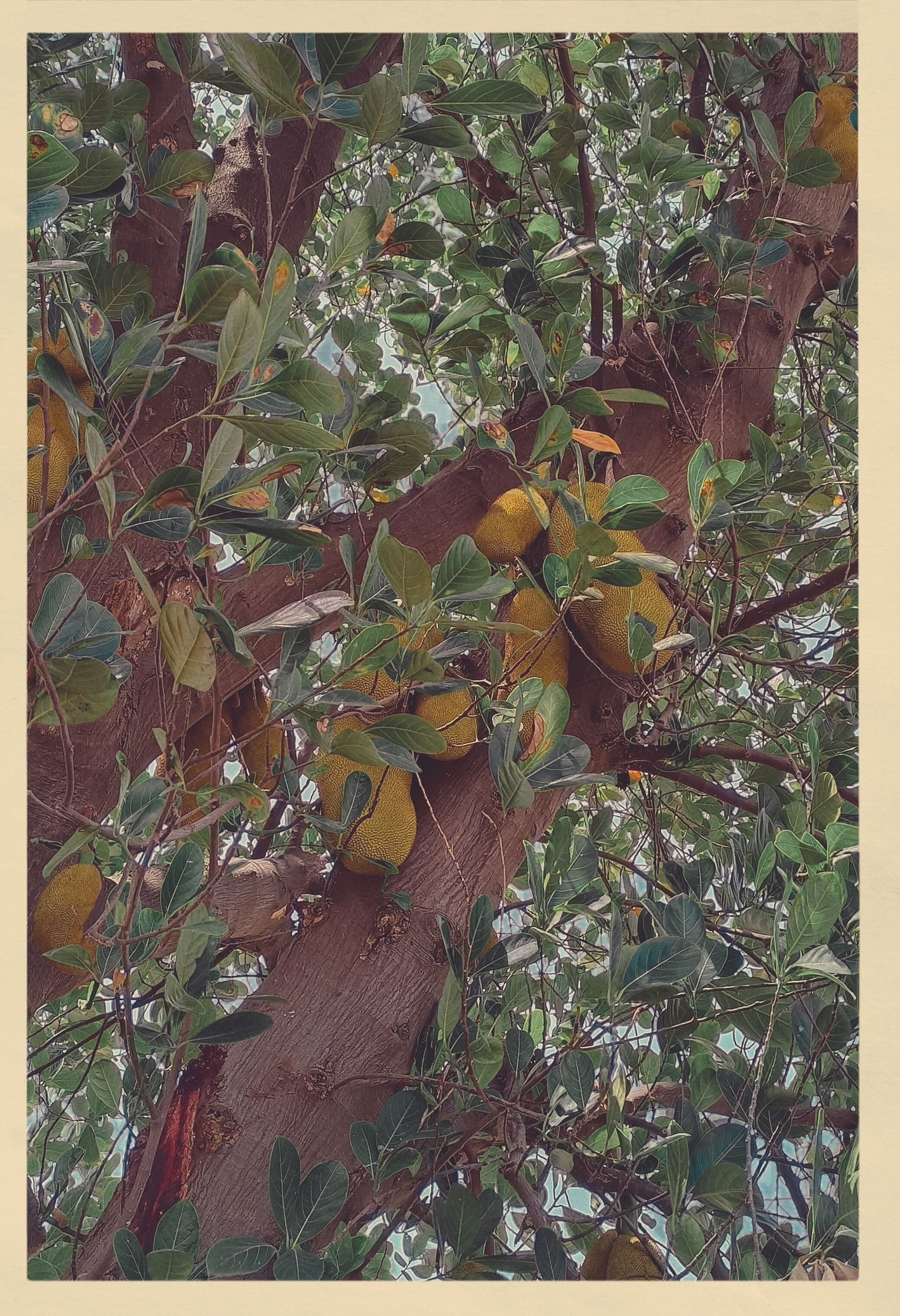
The school I went to — still standing, still the same walls, the same uneven playground. The old trees I used to climb, now grown older in the way only trees grow old, quietly and without complaint. The houses of friends who haven't lived in them for a decade, where someone's grandmother still waves from the gate.
And then the temple. The small one, not famous, not photographed. The one where, as kids, we first understood what it means to ask, believe, and receive. I'm not sure I believe in quite the same way anymore — adulthood does that to faith — but I still go. I still close my eyes there. Something about that place predates my doubts.
Why I keep coming back
I come home every three months because I need to. Not for them — they're fine. For me.
My life in Gurgaon is comfortable in ways I no longer notice. Air-conditioned everything. Food on an app. A car that takes me from one closed environment to another. Comfort is a wonderful thing until you realise you've forgotten how to be without it.
A few days here resets something. The first night I'm always restless — too hot, too quiet, mosquitos, the bed too firm. By the third night, I'm sleeping like I haven't in months.
What my daughter is learning
She's three. She won't remember the specifics. But she'll remember, somewhere underneath memory, that her grandparents' house was a place where you ate a mango sitting on the floor, where the lights sometimes went out and nobody panicked, where the grown-ups were not on their phones at dinner.
I can't give her this life. I chose the other one. But I can give her a window into it, four times a year, and trust that something seeps in.
The privilege of going without
There's a strange kind of privilege in being able to choose simplicity. My parents didn't choose it — they lived it because that was the option available. I'm the one playing tourist in their reality, dipping in and out as it suits me.
I don't pretend otherwise. But I also think there's something honest about being reminded, regularly, that most of what I now consider "necessary" is actually just habit. Habit dressed up as need.
Come back to your roots
No matter how far you go in life, come back to your roots. It will be inconvenient — the heat, the power cuts, the long drive, the bed that's too firm on the first night. None of it will be easy.
But it rewires you. Slowly, quietly, without announcement. And some things in a life can only be repaired by going back to where they began.
Both the memories and the tan on my face last longer than the trip itself. Weeks after I'm back in Gurgaon, I'll catch sight of myself in a mirror — a little darker, a little softer around the eyes — and remember the mango trees, the bicycle, the water spraying over a field at four in the afternoon.
That's how I know it worked.